A tooth which is very decayed or damaged, or loose because of gum disease, may have to be extracted (taken out of your mouth). Wisdom teeth sometimes have to be extracted if they have come through at an awkward angle and are causing problems (such as decay in adjacent teeth or being difficult to clean, and causing infections). Teeth are sometimes taken out from children’s mouths to help other teeth which are crowded to grow straight (usually on the advice of an orthodontist).


Some teeth are easier to take out than others. A local anaesthetic will be used to numb the tooth before it is extracted; this is the most requested treatment by most patients. In some cases, for children or nervous patients, or where a tooth might prove difficult to remove, sedation (something to make you relaxed) with a local anaesthetic may be used. On rare occasions, a general anaesthetic is needed; you will have to go to a hospital or a special treatment centre (you are likely to be able to go home the same day, but not all patients can do so).
After working out the most effective way to take the tooth out, your dentist will discuss with you:
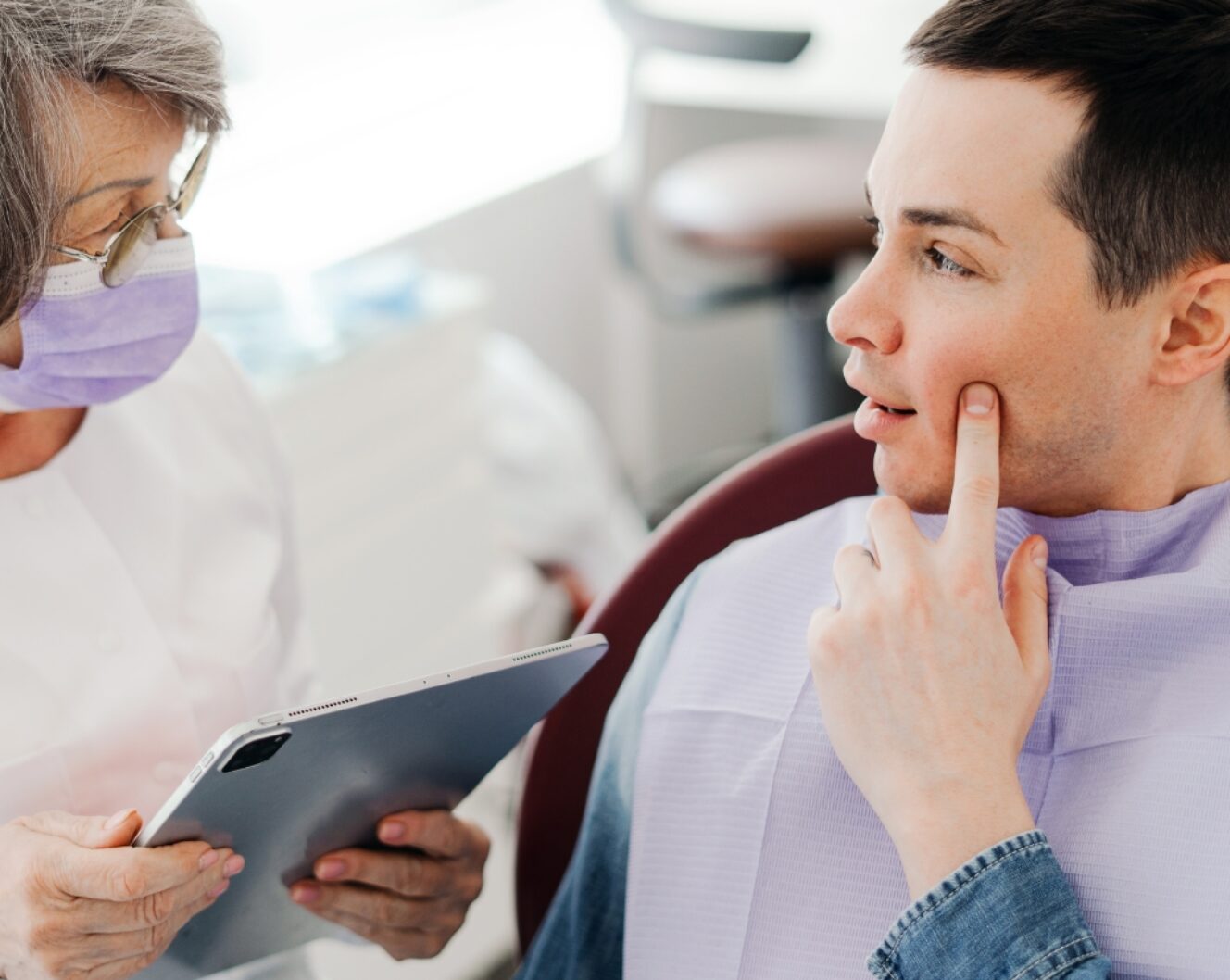
You may hear some noise and feel some pressure as the tooth is being eased out – but you should feel no pain. Sometimes stitches are put into the gum to minimise any post-extraction bleeding, to make the area more comfortable and help it heal quickly.
You may need a day or so off work to recover, depending on how difficult the extraction was and whether sedation or a general anaesthetic was used. Most people experience very little post-operation discomfort. The dentist will ensure that the bleeding has stopped before you leave the practice. You should not smoke or drink alcohol for at least 24 hours after an extraction.


“Anna has been my Hygienist since she started working at the Manor Dental Practice and has always achieved the highest standards in looking after my dental hygiene. Anna is a very talented, intelligent and happy…”
“What a wonderful team! They provide a comfortable environment, are personable and incredibly knowledgeable. Highly recommend!”
“I have recently moved to the area and needed emergency dental treatment. On the recommendation of my new neighbours, I went to Manor Dental Practice. Gloria, the receptionist, was incredibly helpful, and I was seen…”
“Recently transferred across to this practice and have been super impressed with the team. I've had a check-up and hygienist this far, and the service has been the best I've experienced. Great advice and support…”
“Friendly, professional service. Full explanation of work was given, very gentle treatment and a great, friendly dental team. Highly recommended.”
“I would like to highly commend this practice. I have been to some pretty dreadful dentists over the years, and this practice is a refreshing change. Everyone there (without exception) is always (without exception) friendly…”
“In Bath on a visit and needed to attend an emergency appointment for my family member. We were treated with kindness and professionalism by all members of staff from the call through to payment. Excellent…”
“Cracked half of my filling and decided to register and get treatment with Manor Dental. X-rays and a scan of my teeth were taken professionally. Decided to have a filling without injections and virtually pain-free.…”
“Had an emergency appointment for a broken front tooth. It was seen that morning, and the tooth was repaired. Faultless service and care. Highly recommend.”
“A very friendly and helpful dental practice that I would highly recommend! Have had regular check-ups and remedial works carried out that I have been extremely happy with - and no pain at all! Also,…”
“Anna has been my Hygienist since she started working at the Manor Dental Practice and has always achieved the highest…”
“What a wonderful team! They provide a comfortable environment, are personable and incredibly knowledgeable. Highly recommend!”
“I have recently moved to the area and needed emergency dental treatment. On the recommendation of my new neighbours, I…”
“Recently transferred across to this practice and have been super impressed with the team. I've had a check-up and hygienist…”
“Friendly, professional service. Full explanation of work was given, very gentle treatment and a great, friendly dental team. Highly recommended.”
“I would like to highly commend this practice. I have been to some pretty dreadful dentists over the years, and…”
“In Bath on a visit and needed to attend an emergency appointment for my family member. We were treated with…”
“Cracked half of my filling and decided to register and get treatment with Manor Dental. X-rays and a scan of…”
“Had an emergency appointment for a broken front tooth. It was seen that morning, and the tooth was repaired. Faultless…”
“A very friendly and helpful dental practice that I would highly recommend! Have had regular check-ups and remedial works carried…”


Schedule your appointment today and start your journey to a healthier, more confident smile.
Book a Consultation